
Last Updated: November 4, 2026
Quick Summary
Gonstead chiropractic for chronic back pain locates the specific vertebral restriction through full-spine analysis, including X-ray, thermal scanning, and motion palpation, then corrects that segment with a precise, low-force adjustment. Care usually involves a series of visits with a defined reassessment point, and improvement is possible for some people, though no outcome is guaranteed.
- The Gonstead analysis has five components, starting with a full-spine X-ray to assess alignment.
- General chiropractic often adjusts the area of complaint, while Gonstead narrows focus to cause of nervous system irritation.
- Seek prompt medical care for loss of bladder or bowel control or progressive leg weakness.
- Ask your chiropractor how many visits occur before reassessment and which measures will be tracked.
Table of Contents
- Why Chronic Back Pain Persists and How Gonstead Chiropractic Approaches It
- What the Gonstead Technique Is and How It Works
- Gonstead Technique vs Traditional Chiropractic
- How Gonstead Chiropractic for Chronic Back Pain Grand Rapids Patients Choose Differs From General Care
- Is Gonstead Chiropractic Safe for Long-Term Back Pain Management?
- What to Expect During Gonstead Care: Visits, Progress, and Costs
- Requesting Your Gonstead Consultation in Grand Rapids
- Frequently Asked Questions
Why Chronic Back Pain Persists and How Gonstead Chiropractic Approaches It
Chronic back pain is pain that lingers for 12 weeks or longer, and it rarely has a single, obvious cause.
Gonstead chiropractic for chronic back pain takes a different starting point. Rather than treating the symptom, a Gonstead practitioner analyzes the whole spine to find the specific vertebral level that is misaligned or restricted, then corrects that segment precisely.
Below, we explain what the technique involves, how it compares with general chiropractic, what care typically looks like, and when you should seek medical attention instead. If chronic back pain has become part of your daily routine, our Grand Rapids back pain care explains how we approach it.
What the Gonstead Technique Is and How It Works
The Gonstead technique is a system of chiropractic analysis and adjustment that locates specific vertebral restriction and corrects it with a precise, low-force hand adjustment. It is named after Dr. Clarence Gonstead, a chiropractor who developed it.
What separates it from a quick general adjustment is the analysis. The Gonstead analysis used at Kaminski Chiropractic includes five components:
- A full-spine X-ray to assess spinal structure and alignment
- Thermal scanning to detect areas of nerve irritation
- Static palpation of the spine and surrounding tissue
- Motion palpation to find the segment that does not move correctly
- A visual and postural assessment of spinal balance
Only after that work does the adjustment happen. The adjustment itself is targeted to the identified vertebral level. For a deeper look at the full technique, see our complete Gonstead technique guide.
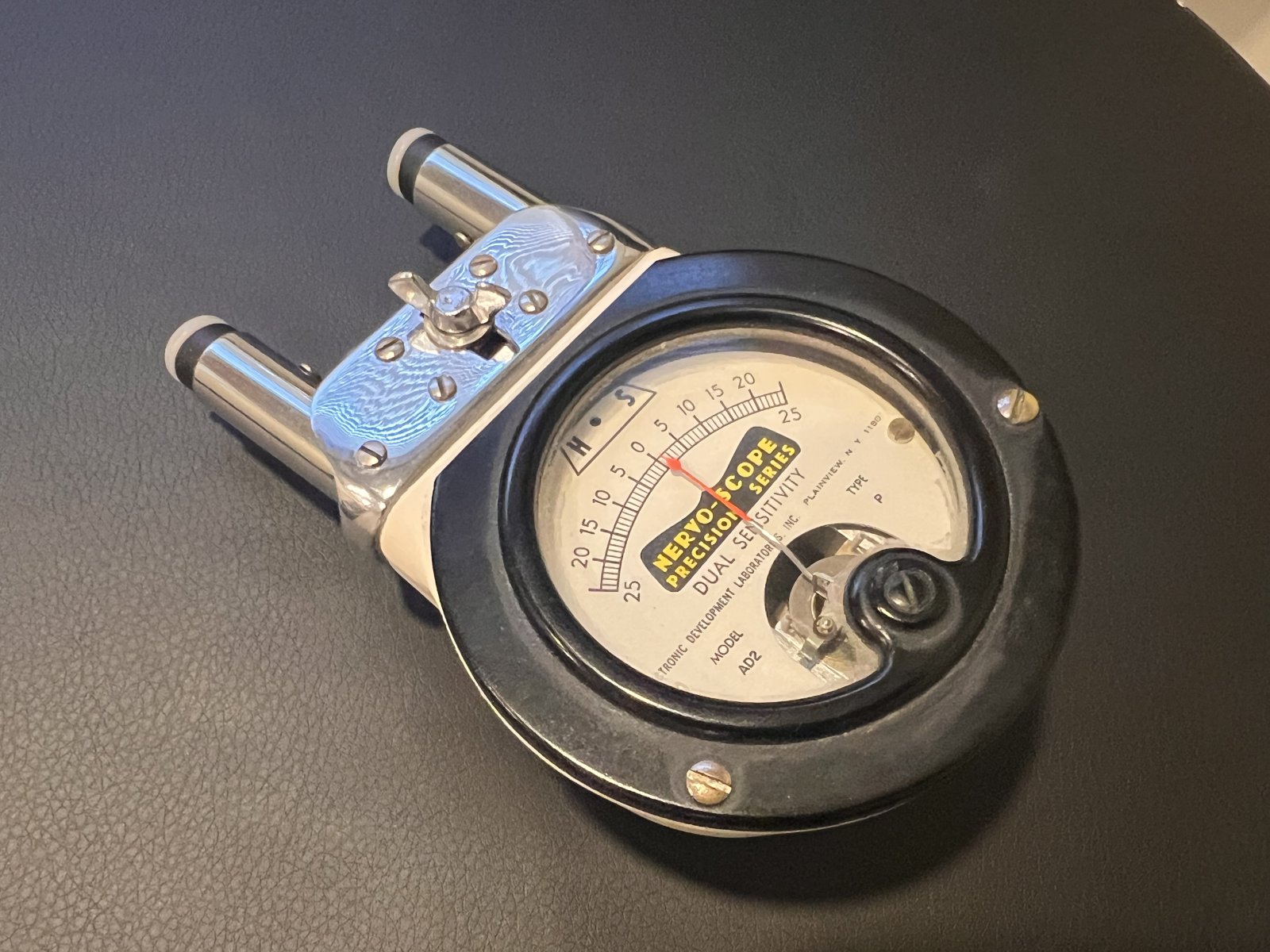
Gonstead Technique vs Traditional Chiropractic
The clearest difference between Gonstead technique vs traditional chiropractic is scope. General chiropractic care often treats the area of complaint with a broader adjustment and may see several regions at once. Gonstead care narrows the focus to one vertebral level identified through full-spine analysis.
That distinction matters for chronic pain. When pain has persisted for months, the segment driving it is not always the one that hurts most. Treating only the painful spot can bring short-term relief while leaving the cause in place.
Traditional adjustments are not wrong, and many patients do well with them. For a side-by-side breakdown, read how Gonstead differs from general adjustments.
How Gonstead Chiropractic for Chronic Back Pain Grand Rapids Patients Choose Differs From General Care
For Grand Rapids residents deciding where to go, the practical difference shows up in the first visit and in every visit after it.
Chronic pain rarely resolves in one visit. A care plan usually includes a series of visits, periodic reassessment of range of motion and symptoms, and a decision about whether care is working.
We also look at what happens between visits. Desk work, sleep position, and how you lift and carry all affect whether a correction holds. The goal is not dependence on adjustments but a spine that stays balanced on its own.
Is Gonstead Chiropractic Safe for Long-Term Back Pain Management?
Gonstead chiropractic is performed by licensed chiropractors after an assessment. As with any manual treatment, side effects are possible, and mild soreness or stiffness in the treated area can occur for a short time.
When chiropractic care may not be appropriate
Some situations call for medical evaluation before any spinal adjustment. Seek prompt medical care if you have:
- Loss of bladder or bowel control
- Numbness in the groin or inner thighs
- Progressive weakness in one or both legs
- Fever, unexplained weight loss, or pain that is worse at night
- Pain following a significant fall or accident
These symptoms can indicate a condition that chiropractic care does not address, such as fracture, infection, or a serious neurological problem. Tell your practitioner about any medical conditions or pregnancy so they can consider whether care should be modified.
What to Expect During Gonstead Care: Visits, Progress, and Costs
A first visit typically involves discussing your history, describing what makes the pain better or worse, and an examination. Ask your chiropractor to explain the findings and outline a proposed plan before care begins.
Progress in chronic pain care is commonly judged by symptom improvement, range of motion, and how well relief holds between visits.
What drives the cost of Gonstead care
Pricing depends on several factors. Kaminski Chiropractic has not published pricing details here, so please visit our website or contact the office for current prices or a quote. Factors that commonly affect cost include:
- Visit type. Initial and follow-up visits can differ in length and scope.
- Imaging. Some practices bill imaging separately. If you already have recent imaging, bring it to your appointment.
- Care plan length. The number of planned visits affects overall cost.
- Insurance status. Kaminski Chiropractic is a non-participating provider.
Ask the office for current pricing in writing before you start, including the cost of an initial exam, any imaging, and follow-up visits.
How progress is measured and when the plan should change
Chronic pain rarely resolves in one visit, so a good plan has a defined reassessment point rather than an open-ended series. Ask your chiropractor before care begins: how many visits before we reassess, and what specific measures will tell us whether this is working?
Useful measures include:
- A simple pain score (0-10) recorded before each visit
- Range-of-motion checks on the affected region
- Functional goals you care about, such as sitting through a workday, sleeping through the night, or lifting without pain
- How long relief lasts between visits
If your pain is not improving within the expected window, that is information. A good practitioner will change the approach, add complementary care such as physical therapy or exercise, or refer you onward rather than continue indefinitely.
|
Stage |
What Happens |
Typical Timing |
|---|---|---|
|
Initial consultation and exam |
History, five-component analysis, imaging |
First visit, longer appointment |
|
Care plan discussion |
Findings explained, visit schedule and reassessment point set |
Same day or next visit |
|
Corrective visits |
Reassessment plus specific adjustment |
Scheduled series |
|
Reassessment point |
Review of pain scores, range of motion, functional goals |
Set in advance |
|
Maintenance or discharge |
Continue, taper, or refer onward |
Based on response |
For a broader discussion of what drives treatment pricing, see our article on what lower back pain treatment costs.
Requesting Your Gonstead Consultation in Grand Rapids
If chronic back pain has been shaping your days, a proper assessment is the sensible first step. Dr. Paul Kaminski has over a decade of experience and has been recognized in Grand Rapids Magazine Top Chiropractors. Our practice is built around the Gonstead system, which focuses on precise, hands-on care tailored to individual needs.
Bring any imaging or records you already have, a list of medications, and notes on when the pain is worst.
Book your chiropractic appointment in Grand Rapids and get a clear answer about what is driving your pain.
Frequently Asked Questions
What is the difference between Gonstead and traditional chiropractic?
Traditional chiropractic often uses broad manual adjustments based on palpation and general spinal screening. Gonstead chiropractic uses a structured analysis to pinpoint the vertebral level involved. Adjustments are then delivered with specific force, speed, and direction at that single level rather than across a region. This precision is why Gonstead chiropractic is often chosen for chronic back pain that has not responded to general care.
How many Gonstead sessions are typically needed for chronic back pain?
The number of visits depends on your examination findings, how long the problem has been present, and how your body responds. Acute flare-ups may settle in a few weeks, while chronic conditions often need a longer corrective care plan with periodic reassessment. A Gonstead chiropractor should outline expected milestones and re-examine you at set intervals rather than committing you to an open-ended schedule. Ask for a written care plan with a review date so you can measure progress.
Is Gonstead chiropractic safe for long-term back pain management?
Gonstead adjustments are generally considered safe when performed by a licensed chiropractor after a thorough examination. Serious complications are rare, but they are not zero. Tell your provider about osteoporosis, prior spinal surgery, blood thinners, or any red-flag symptoms such as unexplained weight loss, fever, or loss of bladder control, since those require medical evaluation before any adjustment.
What should I expect during my first Gonstead chiropractic visit in Grand Rapids?
A first visit typically includes a discussion of your health history, examination, Full spine X-rays and, if indicated, your first adjustment. Ask your chiropractor to review any findings with you before recommending a care plan. Bring any prior imaging so the provider can coordinate your chiropractic care for chronic back pain in Grand Rapids with your other clinicians.
Will chronic back pain go away completely with Gonstead care?
Complete resolution is not guaranteed, and no responsible provider should promise it. Many patients see meaningful reductions in pain and improved range of motion, but chronic back pain often reflects long-standing structural and soft-tissue changes. Chiropractic care commonly aims to improve spinal function and mobility while you build supporting strength. Realistic goals include fewer flare-ups, better function, and a plan for maintaining gains rather than a permanent cure.
Is it normal to bruise or have a large bowel movement after an adjustment?
Mild soreness for a day or two is common after an adjustment, especially when muscles have been guarding for a long time. Visible bruising is less typical and worth mentioning to your chiropractor, since it may reflect technique sensitivity or a medication effect. A sudden or persistent change in bowel habits should be discussed with your chiropractor.
Chronic back pain that has gone unexplained for months deserves a careful look, not another guess. At Kaminski Chiropractic, we combine five-component Gonstead analysis, full-spine X-rays, and thermal scanning with precise, hands-on adjustments tailored to your spine. Get started with Kaminski Chiropractic and take the first step toward moving freely again.
