
Last Updated: November 4, 2026
Quick Summary
Chiropractic care after car accident is a hands-on, non-surgical approach that finds where the impact left your spine and joints stuck, then helps them move freely again. It can ease pain, improve range of motion, and help you return to normal activity, but it starts with a full exam rather than a quick adjustment.
- Whiplash is the most common injury after a rear-end collision, straining the cervical spine.
- Adrenaline masks pain at first, so many people feel sore only two days later.
- Your first visit is an exam with history, a neurological screen, and imaging only when needed.
- Imaging is most useful with significant trauma, severe symptoms, or neurological findings.
- Go to an emergency room first for severe headache, numbness, weakness, or loss of bladder control.
Table of Contents
- How Chiropractic Care After a Car Accident Helps You Heal
- Why Delayed Symptoms After a Car Accident Need Prompt Evaluation
- Your First Chiropractic Appointment After a Car Accident
- Is Chiropractic Care Safe After Whiplash?
- How Long Should I Go to a Chiropractor After an Accident?
- Who Pays for a Chiropractor After an Accident?
- When to Seek Emergency Care First
- Requesting an Appointment in Grand Rapids
- Frequently Asked Questions
How Chiropractic Care After a Car Accident Helps You Heal
Chiropractic care after car accident is a hands-on, non-surgical approach that focuses on how your spine and joints are moving after the impact. Even a low-speed crash can push the spine out of its normal alignment and strain the soft tissues around it. The car may look fine, while the driver is still hurting. (Source: National Highway Traffic Safety Administration (NHTSA) data)
Here is what that means in plain terms. Your body absorbs force during a crash, and that force has to go somewhere. Most of it lands in the neck, mid-back, and lower back.
A chiropractor’s job is to find where that force left things stuck, then help the body move freely again. That can ease pain, improve range of motion, and help you get back to normal activity.
Below, we walk through the injuries we treat, what your first visit looks like, and how to know whether care is right for you.
Common Injuries Treated After a Crash
Whiplash is the most common injury after a rear-end collision. The head snaps forward and back, which strains the muscles and ligaments of the cervical spine.
Other injuries that can follow a crash include:
- Neck pain and stiffness that lingers for weeks
- Back pain and spinal injuries from the seatbelt or the jolt itself
- Headaches that start at the base of the skull
- Reduced range of motion when turning your head
- Soft-tissue injuries to the shoulders and mid-back
Many of these are musculoskeletal injuries. That means they involve muscles, joints, and connective tissue rather than broken bones. These respond well to hands-on care that restores joint mobility and supports tissue healing. If neck or back pain is your main concern, you can read more about how we approach neck pain treatment in Grand Rapids and back pain care in Grand Rapids.
Why Delayed Symptoms After a Car Accident Need Prompt Evaluation
Delayed symptoms are the rule after a car accident, not the exception. Adrenaline masks pain in the first hours. Many people feel fine at the scene and sore two days later.
That delay matters. Stiffness that sets in early can harden into a pattern of reduced mobility if you ignore it. A prompt evaluation catches spinal misalignment and soft-tissue strain before they become chronic.
Watch out: if you assume “it’s just soreness” and wait a week, you may lose the window when care is easiest. Early chiropractic care after car accident is not about finding something wrong. It is about confirming what is right and catching what is not.
Your First Chiropractic Appointment After a Car Accident
Your first chiropractic appointment after a car accident is an exam, not a quick adjustment.
Step 1: History and collision details. We start by listening: how the crash happened, your speed and direction, whether you were struck from behind or the side, whether you braced or were surprised, and where you hurt.
Step 2: Physical and neurological exam. A typical first visit includes a physical exam of the spine, neck, and joints, a check of range of motion and spinal alignment, and a basic neurological screen, reflexes, sensation, and strength in the arms and legs.
Step 3: Imaging when it is needed. Not every patient needs X-rays but after an accident it is highly recommended. Imaging is most useful when there is a history of significant trauma, severe or worsening symptoms, neurological findings, or a reason to suspect fracture or instability.
Step 4: Findings and a written plan. You leave knowing what we found and what the plan is.
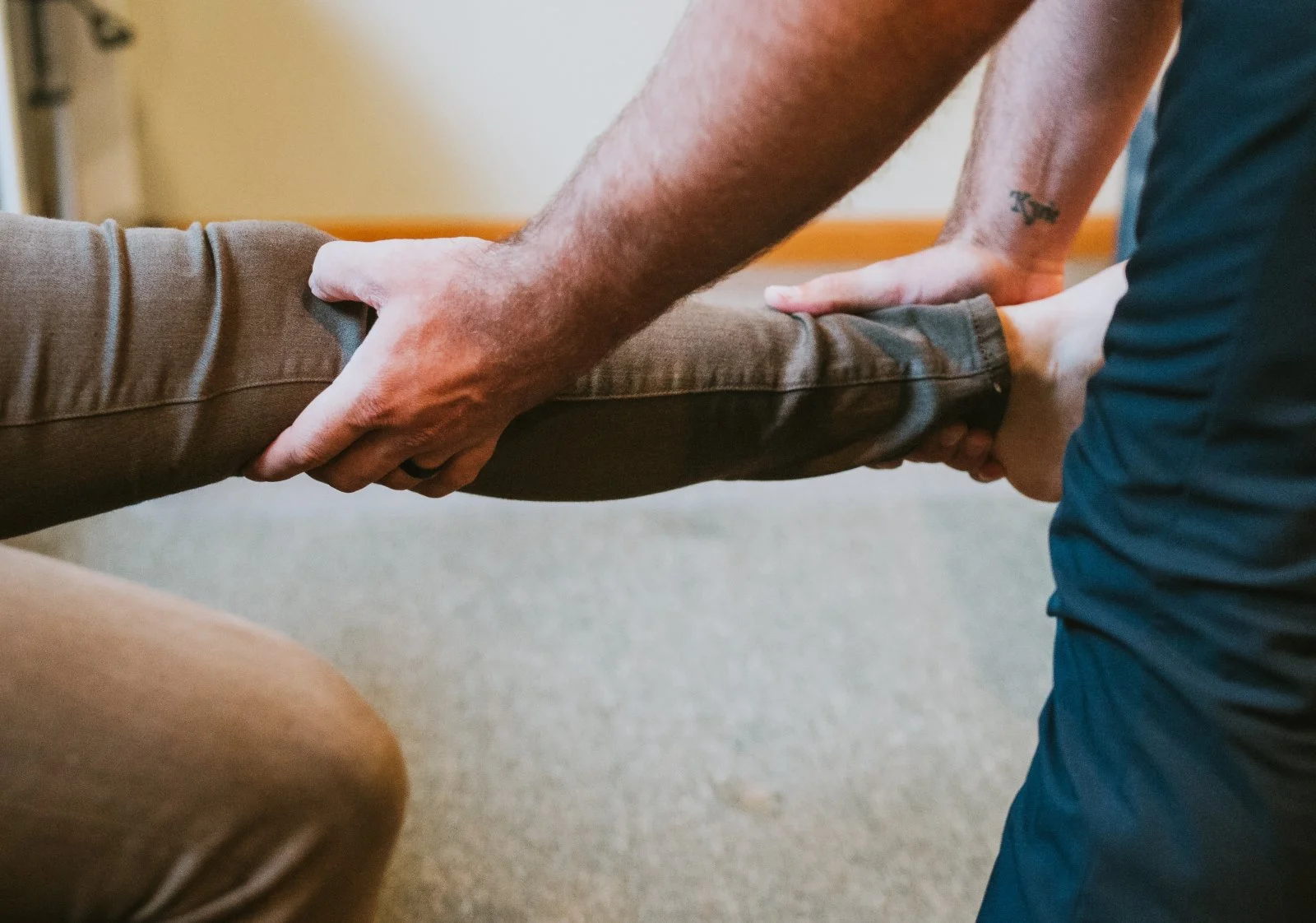
Our practice uses the Gonstead system, which includes a detailed five-part analysis of the spine. If you want to understand the treatment side before you book, you can read how we approach neck pain treatment in Grand Rapids and back pain care in Grand Rapids.
Watch out: do not skip the paperwork or downplay symptoms to get to an adjustment faster. The exam is what makes the adjustment safe and specific to your injury.
Here is the step-by-step pathway we use at Kaminski Chiropractic in Grand Rapids, MI.
|
Step |
What happens |
Key detail |
|---|---|---|
|
Before you arrive |
Bring crash info, any imaging reports or treatment notes already done |
Written symptom list helps |
|
Step 1 |
History and collision details |
Prior injuries change exam interpretation |
|
Step 2 |
Physical and neurological exam |
Reflexes, sensation, strength, posture, walking |
|
Step 3 |
Imaging when needed |
For significant trauma, severe symptoms, neurological findings |
|
Step 4 |
Findings and a written plan |
Diagnosis, approach, reassessment frequency, goals |
Is Chiropractic Care Safe After Whiplash?
Whether chiropractic care is appropriate after whiplash depends on a proper examination and an approach matched to your injury. The key word is “examined.” Precise, hands-on adjustments are tailored to each patient’s condition.
Safety comes down to a few things:
- A full exam before any adjustment
- Adjustments matched to your stage of healing
- Clear communication about what you feel during care
If you are worried about your neck after a crash, our team can walk you through how whiplash is treated in Grand Rapids and what to expect at each visit. Tell us about any dizziness, numbness, or weakness, because those change the plan.
How Long Should I Go to a Chiropractor After an Accident?
There is no single timeline that fits everyone. How long you go to a chiropractor after an accident depends on your injury, your overall health, and how your body responds to care.
As a general guide:
- **Visit length is set individually during your evaluation and reviewed as you progress.
We set goals with you and review them as you go. You should know what “better” looks like and when to taper off. Care should have a finish line, not an open-ended schedule.
Who Pays for a Chiropractor After an Accident?
Who pays for a chiropractor after an accident depends on your insurance and how the crash happened. Auto insurance rules and coverage vary by policy.
What we can do is help you understand the process and keep it organized. Here is a practical way to sort out payment before and during care.
Step 1: Check your auto policy first. Many auto policies include personal injury protection (PIP) coverage for crash-related medical care; ask your insurer whether your policy includes it and what it covers. Ask your insurer specifically: Does my policy include PIP medical coverage? What is my limit? Is there a deductible or copay? Do I need pre-authorization for chiropractic care?
Step 2: Ask about health insurance as a backup. If your auto coverage is limited or exhausted, your health insurance may apply. Ask whether chiropractic visits are covered, whether you need a referral, and what your copay is. Do not assume one policy covers everything; the two can interact in ways that depend on your plan documents.
Step 3: Keep a simple file. Save the crash report number, the other driver’s insurance information, your auto and health insurance cards, receipts, and a one-page symptom log. Note dates of visits and what was done. This file helps you answer insurer questions and supports continuity of care if you switch providers.
Step 4: Ask billing questions up front. Before treatment, ask what the visit costs, what insurance the clinic bills, and whether you will be asked to pay at the time of service. If you want to see the payment methods our clinic accepts, you can review our payment options.
Step 5: Coordinate, don’t guess. If you are also seeing another provider, let us know so records can be coordinated. If you are unsure whether a bill is correct, ask the clinic and your insurer to explain it before you pay.
Watch out: do not assume care is out of reach before you check, and do not sign an open-ended assignment of benefits without understanding what it means. A quick call to your insurer often clears up what is covered.
When to Seek Emergency Care First
Some symptoms need emergency care, not a chiropractic visit. Go to an emergency room or call 911 first if you have:
- Severe headache that will not ease
- Numbness, weakness, or loss of feeling in an arm or leg
- Trouble speaking, seeing, or staying balanced
- Chest pain or trouble breathing
- Loss of bladder or bowel control
These can signal something more serious than a soft-tissue injury. Once you are cleared, chiropractic care can be part of your recovery. We would rather you get checked first and come to us after.
Requesting an Appointment in Grand Rapids
If you are searching for a chiropractor near me after a crash, the next step is simple: get evaluated. Pain that lingers is a signal, not a life sentence. Some people come in after trying other treatments without lasting relief.
We focus on the root cause of your pain, not just the spot that hurts. Our Gonstead-focused practice, led by Dr. Paul Kaminski, D.C., focuses on identifying the root cause of pain and restoring function. You can book a chiropractic appointment in Grand Rapids online when you are ready.
Frequently Asked Questions
Is a chiropractor good after a car accident?
A chiropractor can be a reasonable first stop for musculoskeletal pain after a crash, especially neck pain, back pain, and stiffness that show up in the days that follow. Care focuses on restoring spinal alignment and joint mobility so soft tissue can heal in a better position. It is not a substitute for emergency medicine, so get urgent symptoms checked first. A thorough injury assessment, including imaging when needed, determines whether chiropractic care is appropriate for your case.
How soon should I see a chiropractor after a car accident?
Book an evaluation within a few days if you have pain or stiffness, even mild. Symptoms such as neck and back pain can appear hours to days after the collision, and early evaluation can catch problems before they settle into long-term patterns. If you have severe pain, numbness, weakness, or trouble breathing, go to urgent care or the emergency room first. Once serious injury is ruled out, prompt chiropractic treatment supports tissue healing and range of motion.
Will car insurance cover chiropractic care after a car accident?
Coverage depends on your policy and the state rules that apply to your claim. Many auto policies include personal injury protection (PIP) coverage for crash-related medical care, though the coverage you selected and any exclusions affect what is paid. Check with your insurer or the Michigan Department of Insurance and Financial Services for current rules. Document your symptoms and visits from day one. Ask your insurer and the practice about billing before treatment so you know what to expect.
How many chiropractic visits might I need after an accident?
There is no single number. Visit frequency depends on injury severity, how long symptoms went untreated, and how your body responds. Many treatment plans start with more frequent visits and taper as pain reduction and range of motion improve. Your chiropractor should explain milestones and stopping criteria up front, then reassess as you progress. If you are not seeing functional improvement within a reasonable window, the plan should be revised rather than simply extended.
A car accident can leave you sore, stiff, and unsure where to start. At Kaminski Chiropractic, we offer precise, hands-on care using the Gonstead system, a full-spine analysis that includes imaging and thermal scanning, and a plan built around your goals. Get started with Kaminski Chiropractic and take the first step toward moving freely again.
